What Does General Liability Actually Cover on a Job Site?
General liability insurance is a must-have for contractors — but most people don't know exactly what it covers. Here's a plain-English breakdown of what's protected and what's not.

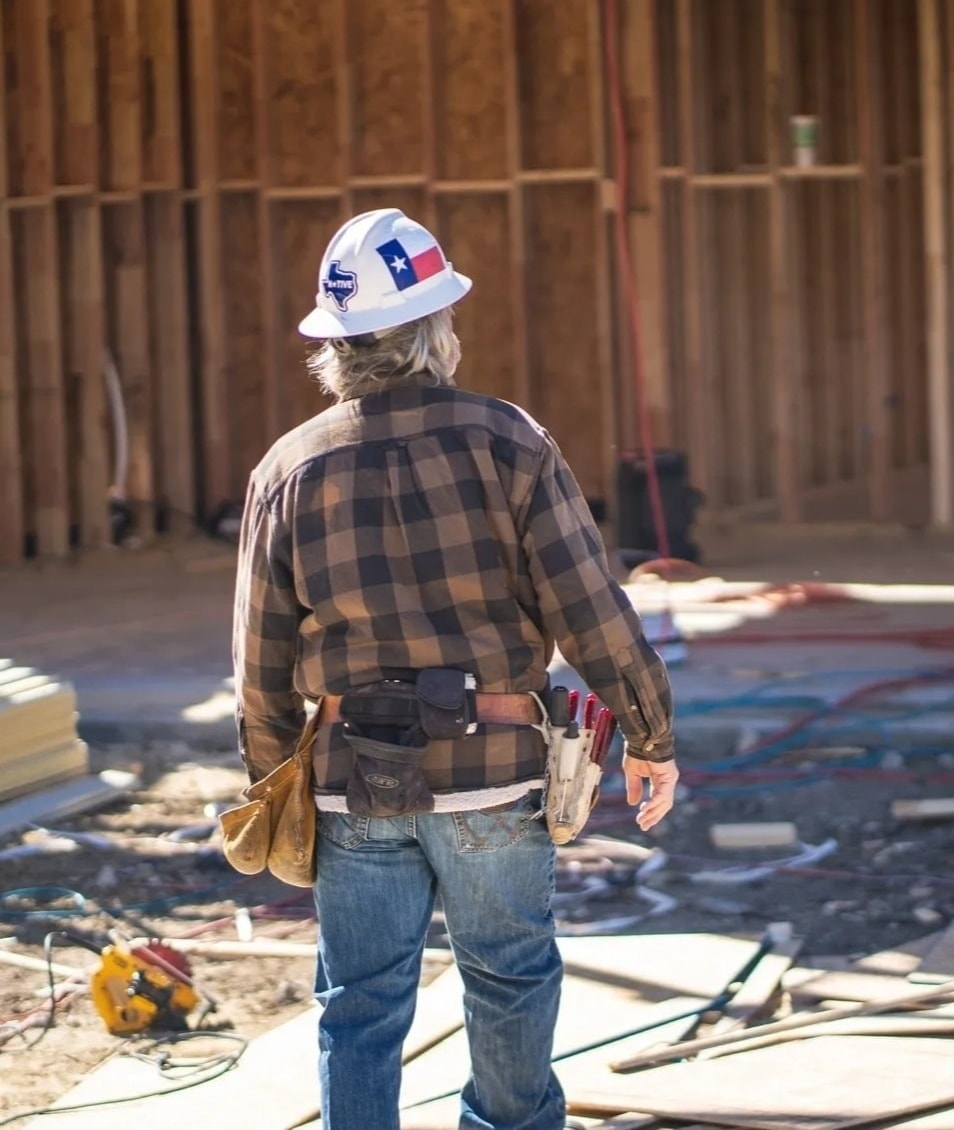
If you're a contractor, subcontractor, or construction business owner, you've probably been asked to show proof of general liability insurance before setting foot on a job site. But do you actually know what that policy covers — and more importantly, what it doesn't?
General liability is one of the most misunderstood policies in the construction industry. Many contractors assume it covers everything that could go wrong on a job. It doesn't. Here's a clear, no-fluff breakdown of what general liability actually does for you.
What General Liability Insurance Is
General liability (GL) insurance protects your business from third-party claims of bodily injury, property damage, and personal or advertising injury. "Third party" is the key phrase — this policy is designed to protect people and property outside your business, not your own employees or equipment.
Think of it as your first line of defense when something goes wrong on a job site and someone else is pointing the finger at you.
What General Liability Covers on a Job Site
Bodily Injury to Third Parties
If a visitor, property owner, or bystander is injured on or near your job site, general liability can cover their medical expenses, lost wages, and legal costs if they sue you.
Example: A homeowner walks through a renovation site and trips over a tool left in a walkway, breaking their wrist. Your GL policy would respond to that claim.
This does not cover injuries to your own employees — that's what workers' compensation is for.
Property Damage You Cause
If your crew accidentally damages a client's property — or a neighboring property — while performing work, general liability covers the cost of repair or replacement.
Example: Your excavation crew nicks an underground water line while digging a foundation. The resulting water damage to the neighboring property is covered under your GL policy.
Completed Operations
This is a coverage most contractors overlook. "Completed operations" protects you after the job is done. If a client discovers damage or injury that results from work you already finished, this portion of your GL policy responds.
Example: Six months after you install a deck, a board fails and a guest falls through. Even though the job was completed, your GL policy's completed operations coverage can still respond to the claim.
Personal and Advertising Injury
This covers non-physical harm — things like libel, slander, copyright infringement in your advertising, or wrongful eviction. It's less common in construction claims, but it's part of a standard GL policy.
What General Liability Does NOT Cover
This is where a lot of contractors get caught off guard. General liability is broad, but it has real gaps.
Your Own Equipment and Tools
If your tools are stolen from a job site or your equipment is damaged, general liability won't cover it. You need an inland marine or equipment floater policy for that.
Employee Injuries
As mentioned above, injuries to your workers are handled by workers' compensation — not GL. In Texas, workers' comp is not mandatory for most private employers, but going without it creates serious financial exposure.
Faulty Workmanship (the Work Itself)
Here's a nuance that surprises many contractors: general liability typically does not cover the cost to redo or repair your own defective work. It covers the damage your faulty work causes to other property — but not the cost of fixing the work itself.
Example: If your roofing crew installs flashing incorrectly and water damages the homeowner's interior, GL may cover the interior water damage. But the cost to tear off and redo the flashing? That's on you.
Professional Errors and Design Mistakes
If you're a design-build contractor or offer any kind of design services, errors in your plans or specifications aren't covered under GL. You'd need professional liability (errors and omissions) coverage for that.
Auto Accidents
Accidents involving your company vehicles are covered under a commercial auto policy, not general liability.
Intentional Acts
No insurance policy covers intentional damage or fraud. If a claim arises from deliberate actions by you or your employees, GL won't respond.
How Much Coverage Do You Actually Need?
Most commercial contracts and general contractors require subcontractors to carry at least $1 million per occurrence / $2 million aggregate in general liability. Some larger projects or public contracts require higher limits.
The right amount depends on:
- The size and scope of your typical projects
- The requirements of your clients and GCs
- Your exposure to high-value property or high-traffic areas
- Whether you work on residential, commercial, or public projects
Carrying the minimum to satisfy a contract requirement isn't always enough to protect your business. If a serious claim exceeds your policy limits, you're personally on the hook for the difference.
The Importance of Additional Insured Endorsements
When you work as a subcontractor, the general contractor will almost always require you to add them as an additional insured on your GL policy. This means your policy extends coverage to them for claims arising from your work.
Make sure your policy allows for additional insured endorsements — and that you're providing the right certificate of insurance before work begins. A missing or incorrect certificate can get you pulled off a job site fast.
Don't Rely on GL Alone
General liability is essential, but it's just one piece of a complete construction insurance program. Depending on your business, you may also need:
- Workers' compensation — for employee injuries
- Commercial auto — for vehicles used on the job
- Inland marine / equipment floater — for tools and equipment
- Builder's risk — for structures under construction
- Professional liability — if you provide design or consulting services
- Umbrella / excess liability — for additional limits above your primary policies
Protect Your Business Before the Next Job Starts
General liability insurance is a non-negotiable for any contractor working in Texas or beyond. But understanding exactly what it covers — and where the gaps are — is what separates contractors who are truly protected from those who only think they are.
If you're not sure whether your current coverage is adequate for the work you're doing, it's worth a conversation with an insurance professional who understands the construction industry. The right policy structure can mean the difference between a manageable claim and a business-ending loss.
Silva and Sons Insurance Services specializes in construction insurance for Texas contractors — from general liability and workers' comp to builder's risk and commercial auto. We also offer comprehensive risk management services, including EMR analysis, safety program development, and claims advocacy, to help construction businesses reduce their total cost of risk over time. Get in touch to review your current coverage.
Explore Topics
Written by
Silva and Sons Insurance Services
Content creator and writer sharing insights and stories.